Find Us at New Castle

The Importance of Annual Eye Exams: A Preventative Approach to Vision Care
In the hustle and bustle of modern life, it's easy to lose track of time and forget all about regular health checkups, including for your eyes. This is especially true if your eyes feel comfortable and healthy and your vision seems clear. Yet, annual eye exams are a central part of preventive healthcare. They’re not just about determining if you need glasses or a new prescription; they can also play a significant role in maintaining overall health and well-being by allowing for early diagnosis and treatment of conditions throughout the body.
Our New Castle Eyecare team discusses further below.
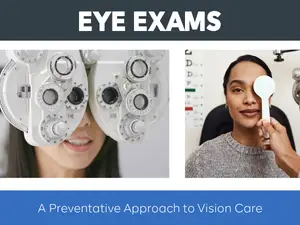
Understanding Your Annual Eye Exam
An eye exam is a series of tests conducted by your optometrist to evaluate vision and the health of your eyes. A comprehensive eye exam at our New Castle Eyecare clinic may include:
Visual Acuity Test: This test measures the sharpness of your vision, usually involving reading letters on a distance chart. It helps determine the clarity and focus of your eyesight, identifying how well you can see at various distances.
Refraction Assessment: This test determines the appropriate lens prescription to correct refractive errors like nearsightedness, farsightedness, or astigmatism. It involves using a phoropter to test different lenses on your eyes to find the combination that offers the clearest vision.
Eye Muscle Test: This evaluates the muscles that control eye movement, ensuring they work properly and your eyes align correctly. It involves following a moving object like a pen or light to assess muscle strength and control.
Pupil Response Test: This test examines how your pupils adjust to light and objects at different distances. It involves shining a light into each eye and observing the response, which can reveal neurological function and eye health.
Peripheral Vision Test: Also known as a visual field test, this assesses your ability to see out of the corners of your eyes. It's crucial for detecting vision loss at the edges of your visual field, which can be an early sign of conditions like glaucoma.
Slit-Lamp Examination: A slit-lamp provides a magnified, three-dimensional view of the different structures of the eye, including the cornea, iris, and lens. This exam can detect various conditions, from dry eye syndrome to cataracts.
Tonometry: This test measures the pressure inside your eyes, known as intraocular pressure (IOP). It's a critical test for glaucoma, as high eye pressure is a major risk factor.
Eye Exams for Children and Adults
These exams are essential for all age groups, from young children to older adults. For children, they’re crucial for several reasons:
Developmental Milestones: Good vision is essential for physical, educational, and social development. Children who have difficulty with their vision from an early age may be late in crawling or walking or have difficulty with hand-eye coordination as they age.
School Performance: Vision problems can affect learning and academic performance. The classic example is the child who can’t see the board at the front of the classroom and may miss key details illustrated by the teacher.
Identifying Vision Problems Early: When caught early, we can treat conditions like lazy eye (amblyopia) and crossed eyes (strabismus) more effectively. If left untreated, these conditions can result in a loss of depth perception and blindness in the affected eye.
For adults, keeping up with annual eye exams is important for reasons including:
Presbyopia: Around 40, people often start experiencing presbyopia, a condition in which the hardening of the lens at the front of the eye makes it harder to transition from close-up to distance vision. Reading glasses or multifocals often address this.
Risk of Diseases: Diseases like cataracts, glaucoma, and macular degeneration increase with age. Early detection of these and similar conditions can help our eye care team reduce or prevent long-term damage to your eyes and vision.
Detecting and Monitoring Systemic Conditions: In many cases, eye exams can be the first place that we detect signs of conditions such as diabetes or high blood pressure. This early detection allows healthcare providers to treat these conditions before they worsen and monitor progress.
Preventing Falls and Injuries: Poor vision in older adults is a leading factor in falls around the house. Unfortunately, these falls can often lead to injury and hospitalization.
Annual eye exams are a critical component of preventive healthcare. They ensure you have clear vision and play a vital role in the early detection of diseases and overall health monitoring. By prioritizing our eye health, we take a crucial step toward maintaining our overall health and quality of life.
For more information on how New Castle Eyecare can help you keep your eyes healthy and vision clear for years, book an appointment with our New Castle Eyecare clinic today!